Color Blocking, the Grown-Up Version: Bold Panels Without the 2011 Flashback
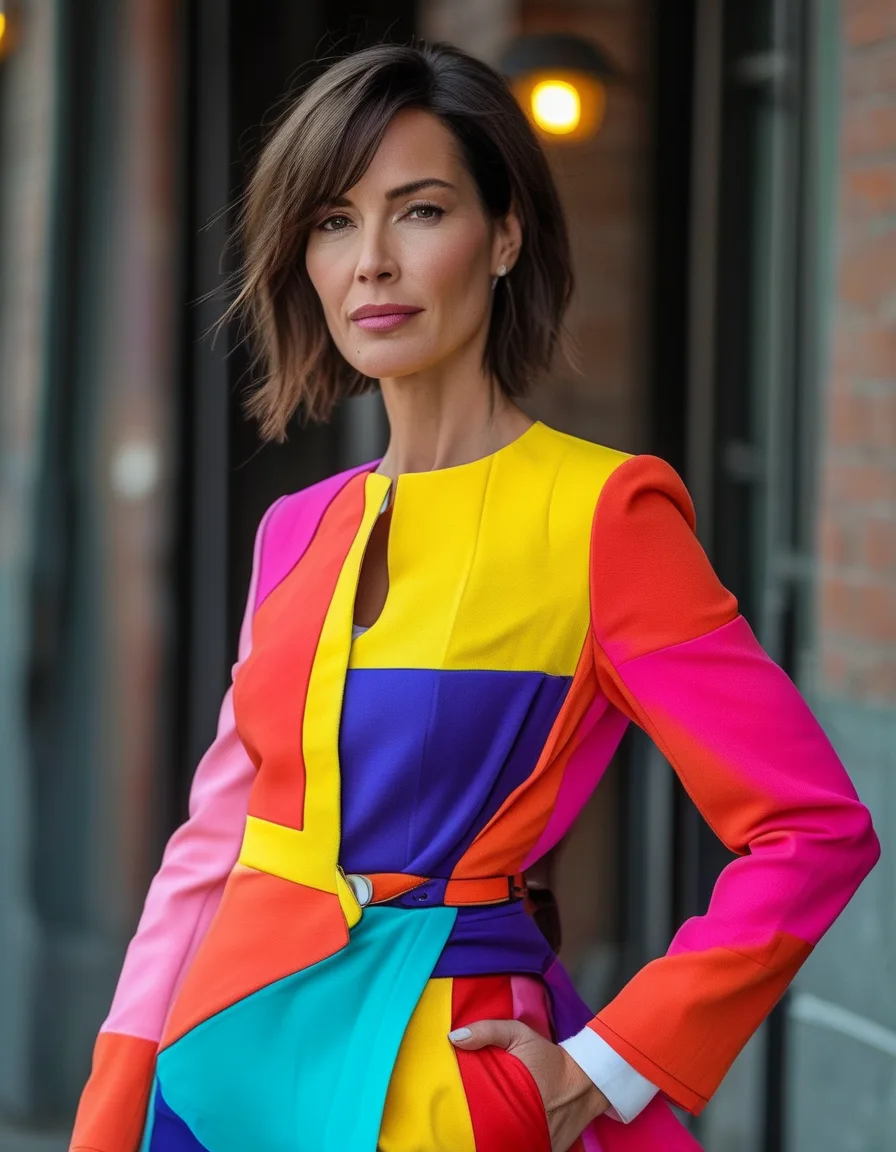
Color blocking’s first era (2011, neon panels, everywhere) burned bright and dated fast — but the technique matured: today’s version runs two blocks, matched saturations and a neutral anchor. Bold color architecture, minus the flashback. The grown-up rules.
The Two-Block Rule
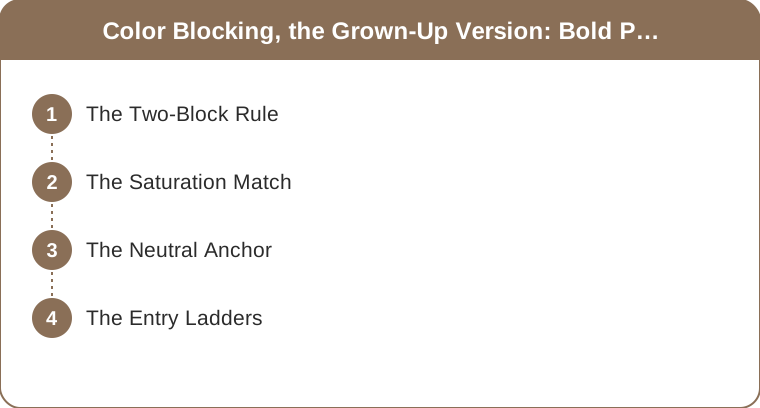
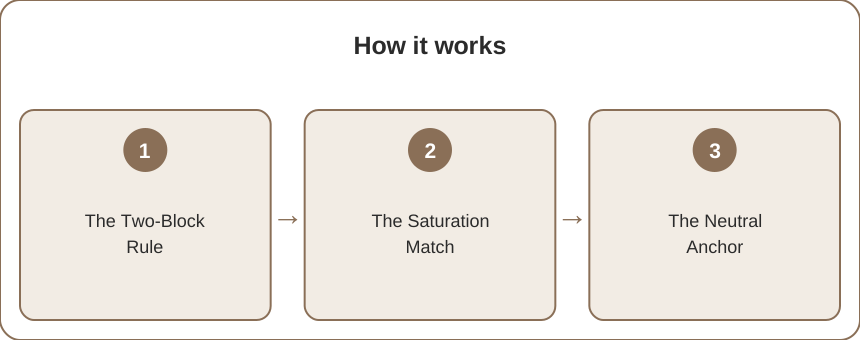
The maturity’s core edit: TWO colors per outfit (the cobalt trouser with the butter-yellow knit), not the original era’s four-panel geometry. Two blocks read intentional and wearable; the outfit stays clothing instead of becoming a diagram.
The Saturation Match
The pairing law: colors block best at MATCHED intensity — two jewel tones (emerald-cobalt), two sherbets (lilac-butter), two earths (rust-olive) — while mismatched saturations (one neon, one pastel) fight for volume. The undertone rules referee as always; the intensity match is the blocking-specific clause.
The Neutral Anchor
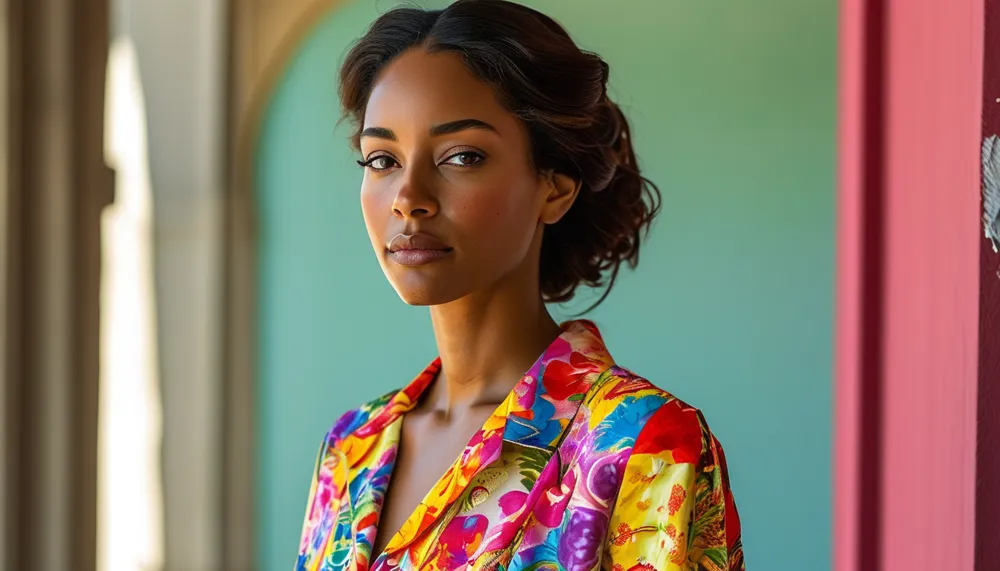
The third element: shoes and bag in a quiet neutral (cream, tan, black) ground the two blocks — the anchor is what separates ‘colorful woman’ from ‘color wheel incident’. The anchor can also live as the base layer: two colored pieces over white makes the blocking read editorial.
The Entry Ladders
The beginner routes: the colored-accessory block (the green bag against the pink dress — blocking at stake-free scale), the half-block (one colored piece against head-to-toe neutral — blocking with training wheels), and the matched-set cheat (the two-color knit set that pre-blocked itself). The technique scales to any boldness budget — the 2011 ghosts stay archived.
Two blocks, matched intensity, one neutral anchor. Color blocking grew up beautifully — the architecture stayed; the diagram era didn’t.
Keep Reading
This article is for general styling and informational purposes only. Trends, sizing, availability and pricing may vary by brand and season.